Registered, cleared, approved: three different things
The FDA uses precise words, and red light marketing often blurs them. Here they are in plain English.
Registered (and listed). Companies that make or import medical devices for the US register their facility with the FDA every year and list the devices they sell. That's a paperwork step. The FDA's own registration and listing page explains the process, and the agency is clear that registration doesn't mean it has approved the company or its products.
Cleared. For most moderate-risk devices (Class II), a company files a premarket notification, called a 510(k), showing that its device is "substantially equivalent" to one already on the market, for a stated use. If the FDA agrees, the device is "cleared" for that use. Each clearance has a number starting with K that you can search.
Approved. Strictly, "approved" is for high-risk devices that go through premarket approval. Home light panels don't usually go that route, so "FDA approved" on a panel is almost always loose language for one of the two above.
One more piece: the FDA's general wellness policy lets low-risk products sold for general wellness, rather than to treat a disease, skip some device rules. Several brands on our list describe their panels this way too.
What each brand says, word for word
We read every product page on November 12, 2026 and copied the wording. Here's what you'll see.
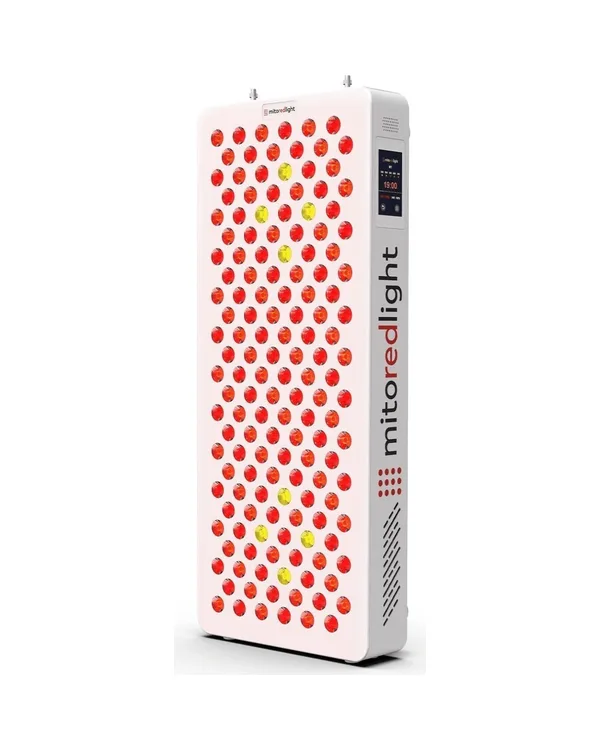
- Mito Red Light (MitoPRO 750X, MitoADAPT MAX 4.0, MitoMID 2.0): "FDA Class II Registered", plus ETL and ISO certifications.
- Joovv (Solo 3.0, Elite 3.0): "Class II Medical Device", and Joovv says its Generation 3.0 devices are tested and certified by Intertek to IEC 60601 medical electrical safety requirements.
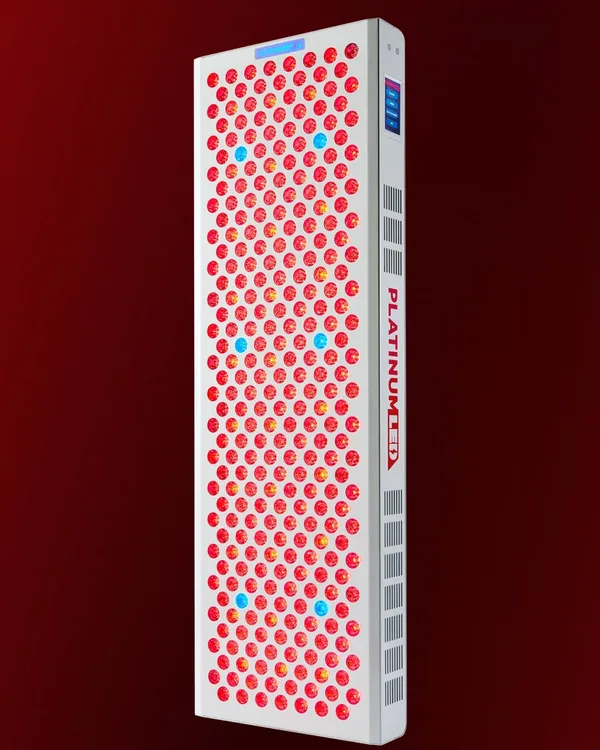
- PlatinumLED (BioMax 900): "Every BIOMAX light is an FDA Class II medical device made in an FDA-registered facility", while also calling its products low-risk general wellness products.
- Rouge (Pro G4): "FDA Registered", and also refers to the general wellness guidance.
- Bon Charge (Max, Super Max): "FDA Class II registered device", and "All our Red Light Therapy Devices are registered with the FDA."
- Kala (Elite Panel 2.0): "FDA-Cleared".
- Hooga (HG300 and PRO series): the product pages we read don't mention FDA status.
Notice the pattern: most brands say "registered" or "Class II", which tells you how the device is classified and listed, not that the FDA reviewed a claim about it. Only one brand on our list uses the word "cleared".
Does an FDA clearance matter for a home panel?
It matters less than the label suggests, and more than nothing. A 510(k) clearance tells you the FDA accepted the device for a specific use, often something narrow like temporary relief of minor muscle pain, and that the company went through a formal process. It doesn't tell you the panel is stronger, safer or better made than an uncleared one, and it doesn't cover every claim on the marketing page.
Things that tell you more about the panel you're actually buying: an irradiance figure with a distance (better still, a lab figure next to it), published EMF and flicker data, a safety certification like ETL, UL or IEC 60601, a warranty of at least two years and a return window long enough to try it. That's why our formula scores those, and doesn't give points for the word "FDA" on its own.
How to check a clearance yourself in two minutes
If "FDA-cleared" is important to you, check it. It takes two minutes.
- Ask the brand for the 510(k) number of the exact model. It starts with a K followed by six digits. A brand that has one will usually give it to you quickly.
- Search it in the FDA's 510(k) premarket notification database. You'll see the device name, the company, the decision date and, in the summary, the "indications for use".
- Check that the cleared device matches what you're buying: same company or a clear licensing link, same type of device, and an intended use that matches what the page tells you.
If the brand can't give you a number, read "FDA-cleared" as marketing until it does. And if a page says "FDA approved" for a light panel, ask which of the three it means.
FDA status and HSA or FSA money
Several brands say their panels are HSA or FSA eligible: Mito Red Light for the MitoPRO X, MitoADAPT and MitoMID ranges, Joovv for the Solo and Elite, and Rouge offers HSA/FSA payment at checkout. Eligibility depends on your plan administrator, and sometimes on a letter from a doctor, so check before you count on it.
The bottom line
Don't pay extra for a word. Pick the panel size you need, then compare the things that are published and checkable: wavelengths, irradiance with a distance, EMF and flicker, warranty and returns. Our full ranking does exactly that for fourteen panels. If an FDA clearance matters to you, ask for the K-number and check it. Among the panels we compared, the MitoPRO 750X is the one we'd point most people to: Class II registered, ETL certified, flicker-free per Mito Red Light, with a lab-tested output figure and 60 days to return it.
This guide is for buying decisions, not medical advice. If you are pregnant, have a skin or eye condition, or take medication that makes you sensitive to light, talk to your doctor before you start.
The panels in this guide, side by side
| Panel | MitoPRO 750X9.5/10 | PlatinumLED BioMax 9009.2/10 | Joovv Solo 3.08.1/10 |
|---|---|---|---|
| Price | $749 | $1,099 | $1,699 |
| Panel size | 10 × 23 in | 11.81 × 35.83 in | 8.75 × 36 in |
| Price per sq in | $3.26/sq in | $2.60/sq in | $5.39/sq in |
| Wavelengths | 6 wavelengths, 590–850 nm | 7 wavelengths, 480–1060 nm | 660 + 850 nm |
| Irradiance (brand claim) | 160 mW/cm² at 6 in | Lab charts only | 100 mW/cm², no distance |
| EMF | Claim, no figure | 0.0 μT at 4 in | Not stated |
| Warranty | 3-year | 3-year | 2-year |
| Returns | 60 days | 60 days | 60 days |
| Buy | See price | See price | See price |